Introduction
Aging is a normal process that encompasses physical, emotional, and social changes. The three stages of old age, namely early, middle, and late, can be comprehended by the aged and their relatives so that they can prepare for the changes of growing older. By knowing what to expect at each stage, elderly individuals can make wise choices regarding their health, lifestyle, and residence.
Stage 1: Early Old Age (65-74 Years)
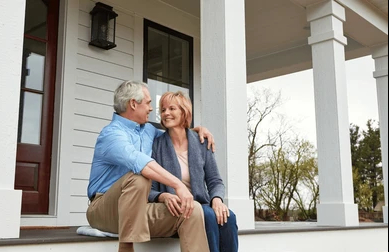
Defined by an active life and relatively good health, this stage is normally described as the “young-old” stage. The majority of people in this stage are retired but remain socially and physically active.
Key Characteristics:
- Healthy physical and mental state
- Maintenance of independence with everyday activities
- Engagement in hobbies, traveling, and social activities
- Minimal age-related changes like slower metabolism and mild stiffness in the joints
How to Stay Healthy:
- Daily exercise such as walking, yoga, or weightlifting
- Healthy foods to maintain stable weight and energy levels
- Club membership, volunteering, or web-based groups of support
- Medical care for preventative purposes, i.e., yearly check-ups, screenings
Stage 2: Middle Old Age (75-84 Years)
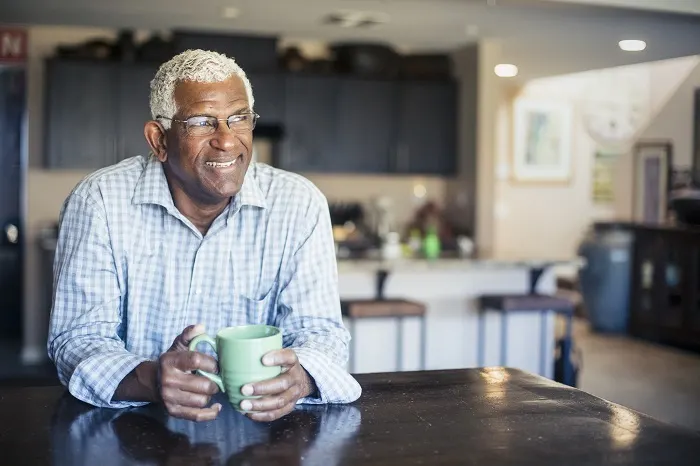
At this phase, older individuals may begin with more noticeable medical changes and sometimes requiring assistance in daily living activities.
Key Characteristics:
- Increased susceptibility to long-term diseases like arthritis, diabetes, or high blood pressure
- Decreased mobility and energy
- Occasional assistance with home maintenance or driving
- Cognitive impairment, including mild memory problems
How to Preserve Quality of Life:
- Follow-up medical care and medication management
- Home adaptation for safety, e.g., grab bars and improved lighting
- Mental stimulation through reading, puzzles, and socialization
- Seeking support from family or assisted living when needed
Stage 3: Late Old Age (85+ Years)
During late-old age stage, the aged often experience pronounced physical and cognitive decline, where they require full-time care or supported living.
Principal Features:
- Limited mobility and dependence on support with activities of daily living
- Increased health concerns, e.g., dementia or frailty
- Total dependence on caregivers for medical and personal support
- Increased chance of isolation and depression
Method to Foster Comfort and Safety:
- Professional care services for medical and daily care
- Senior housing communities with 24/7 care
- Social activities to prevent loneliness and promote emotional health
- Advanced healthcare planning, such as conversations about end-of-life care
How The Village at Bellevue Helps Seniors at Every Stage
The Village at Bellevue provides personalized care and assistance to seniors at all stages of life. If a senior is yet independent or requires full-time care, our community offers personalized services to enhance their quality of life.
Our Services Include:
- Independent living options with social and wellness activities
- Assisted living programs for seniors with daily living needs assistance
- Memory care programs specifically designed to accommodate the needs of individuals with dementia or Alzheimer’s
- 24/7 medical and personal care to ensure a safe and comfortable living environment
- Stimulating community activities to improve mental and emotional well-being
No matter the level of aging, we ensure every senior receives quality care, active community, and needed support to live well.
Conclusion
Aging is a journey that features changing challenges and needs at every stage. Through understanding of the three stages of late life, families and older adults can be better equipped to face what comes next. At The Village at Bellevue, we’re committed to caring for the whole portrait, from independent living to pioneering memory care, so each elder can enjoy a full and dignified life.
If you or your loved one needs help, call The Village at Bellevue today to find out how we can help.